
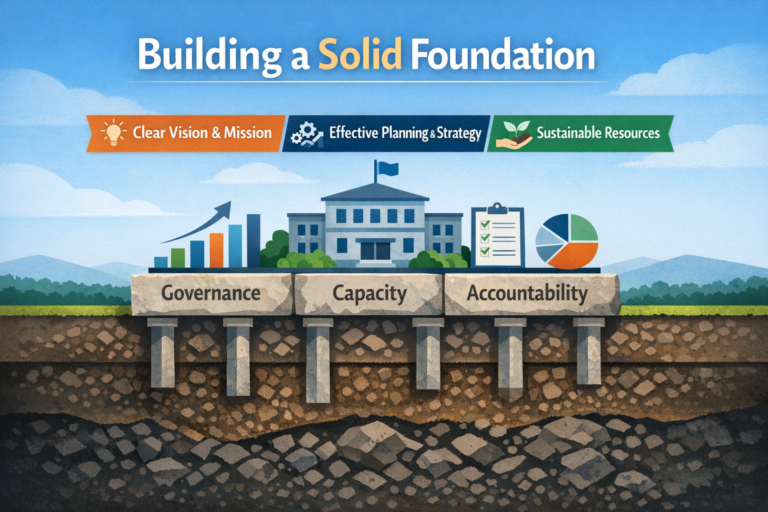
Building a Solid Foundation
In the dynamic world of nonprofit organizations, receiving large donations from philanthropists and corporations often takes center stage. However, it’s time to shed light on another powerful force shaping the sector: the cumulative power of small donations. Just like the flap of a butterfly’s wings can set off a series of atmospheric changes leading to significant effects, these tiny gifts have the potential to create profound impacts within NGOs. This article delves into the butterfly effect of small donations, exploring how these seemingly minor contributions can drive big change.
While large donations are valuable and often celebrated, nonprofits must recognize the power and potential of small, consistent contributions. By understanding this dynamic, NGO founders, fundraising managers, donor engagement specialists, and nonprofit marketers can leverage these gifts for long-term success and growth.
Building a Solid Foundation
The backbone of many successful nonprofits is a large number of small donors who contribute regularly. These gifts may seem minor in isolation, but collectively, they become a significant and stable source of funding. This foundation allows organizations to plan and execute their initiatives with greater certainty and resilience. By promoting small donations, NGOs can diversify their funding streams, reducing reliance on large, unpredictable gifts.
Moreover, small donors form a broad support base that can advocate for the organization, contributing to its visibility and reach. A strong community of micro-donors can amplify the organization’s voice, attracting even more supporters and potential donors.
Case Study: Community Support in Education
Consider an NGO focused on providing educational resources to underprivileged children. By encouraging small donations, they can harness the collective power of the community. A $10 monthly donation might seem minor, but if 1,000 people commit to this amount, the organization receives $10,000 every month. This consistent support can fund scholarships, buy books, and provide essential learning materials.
The Psychology Behind Small Donations
The psychology of giving reveals fascinating insights into why people donate small amounts. For many donors, a small gift is an expression of their values and beliefs. It aligns with their identity and enhances their sense of belonging to a community committed to making a difference. Additionally, small donations allow individuals to contribute without experiencing financial strain, making philanthropy accessible to a broader audience.
Another psychological aspect is the feeling of immediate impact. Donors of small amounts often see their contributions as directly affecting initiatives, fostering a sense of accomplishment and continued engagement. This connection between their donation and the NGO’s actions makes donors feel integral to the organization’s success.
- Accessibility: Small donations make giving inclusive.
- Immediate Impact: Donors see direct results from their contributions.
- Community Belonging: Small gifts foster a sense of belonging and shared purpose.
Strategies for Engaging Micro-Donors
Effectively engaging and appreciating micro-donors requires specific strategies and tools. NGOs should focus on creating a seamless and rewarding donation experience while ensuring their micro-donors feel valued and informed.
DaanVeda Plug: Streamlining Donation Management
DaanVeda’s platform makes it seamless to track and manage micro-donations, offering tools and analytics to understand their cumulative influence and optimize donor outreach efforts. By leveraging these capabilities, nonprofits can efficiently engage micro-donors, recognizing and appreciating their contributions effectively.
- Personalized Communication: Tailor messages and updates to acknowledge donors’ specific contributions and their impact.
- Transparent Reporting: Regularly share detailed reports showing how small donations are utilized, enhancing transparency and trust.
- Interactive Engagement: Utilize social media, webinars, and events to keep micro-donors involved and connected to the cause.
- Recognition Programs: Develop programs that recognize micro-donors’ contributions, such as inclusion in donor walls or special mention in newsletters.
By implementing these strategies, NGOs can create a strong relationship with their micro-donors, encouraging ongoing support and fostering a committed community.
The Long-Term Benefits of Micro-Donations
The butterfly effect of small donations extends beyond immediate financial support. Long-term benefits include increased donor retention, diversified income sources, and enhanced community engagement. These advantages play a crucial role in the sustained growth and success of nonprofit organizations.
Donor retention is critical for nonprofit sustainability. Small donors who feel valued and connected to the cause are more likely to continue their support over the years. This loyalty provides NGOs with a reliable stream of income, allowing for better planning and execution of long-term projects.
The diversity of funding sources is another significant advantage. A broad base of micro-donors reduces the risk associated with relying heavily on a few large donors. This diversification ensures stability and helps nonprofits weather financial uncertainties or challenges.
Additionally, a vibrant community of micro-donors enhances engagement and advocacy. These donors, invested in the cause, often become ambassadors for the organization, spreading the word and attracting more supporters. Their collective voice can amplify the NGO’s message, increasing its reach and impact.
Case Study: Health Initiatives Supported by Micro-Donations
An NGO focusing on health initiatives demonstrates how small donations can lead to substantial impact. By cultivating a strong base of micro-donors, the organization managed to fund multiple health camps, provide essential medical supplies, and support preventive health education in underserved communities, showcasing the lasting benefits of consistent small contributions.
Final Thoughts
In the nonprofit sector, every contribution matters, no matter the size. The butterfly effect of small donations illustrates how these minor gifts can lead to significant, lasting change. By recognizing and harnessing the power of micro-donations, nonprofits can build resilient, diverse, and engaged communities of supporters.
As NGO founders, fundraising managers, donor engagement specialists, and nonprofit marketers, it’s crucial to embrace the potential of small donations. Through strategic engagement and appreciation, these contributions can collectively drive transformative change, ensuring the long-term success and growth of your organization.
Start appreciating the butterfly effect in your donation strategy today and watch how small contributions can lead to big, impactful change.