
A Practical Guide to Writing Successful Grant Proposals for Nonprofits
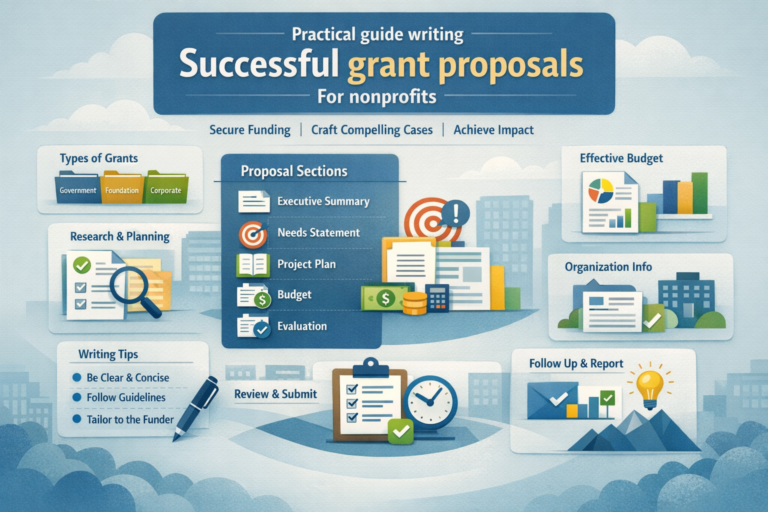
Crafting a compelling grant proposal can be the key to unlocking funding for your nonprofit endeavors. For busy professionals in the nonprofit sector, efficient and effective grant writing is a must. This how-to guide will provide you with practical, trend-aware, and actionable tips to transform your grant proposals from zero to hero. Let’s dive into best practices, common pitfalls, and insider advice to ensure your proposals stand out in the competitive world of nonprofit funding.
1. Understand the Grant Process
Before you start writing, it’s crucial to understand the grant process thoroughly. This includes knowing where to find grants, understanding the application timeline, and familiarizing yourself with the specific requirements of each grant. Research potential funders, tailor your proposals to their priorities, and make note of all deadlines to stay on track.
2. Tailor Your Proposal
The most successful grant proposals are those that are tailored specifically to each funder. This means more than just addressing the funder by name; it means customizing every part of your proposal to align with the funder’s mission, values, and funding priorities. Demonstrate how your project fits within the funder’s goals and how it can provide a meaningful impact.
3. Create a Strong, Clear Narrative
Storytelling is a powerful tool in grant writing. Your proposal should tell a clear, compelling story about the needs you aim to address, the solutions you propose, and the impact you expect. Use data and testimonials to support your narrative and make it as persuasive as possible.
4. Show Your Impact
Funders want to know that their money will make a difference. Clearly outline the outcomes you expect from your project, and explain how you will measure these outcomes. Providing a detailed evaluation plan can help build trust and demonstrate that you have thought through the entire process.
5. Highlight Your Team’s Expertise
Your team’s qualifications can significantly influence a funder’s decision. Highlight the skills, experience, and accomplishments of key team members to show that you have the expertise needed to carry out your project successfully. Include brief bios and relevant past successes to build credibility.
6. Pay Attention to the Budget
A well-prepared budget is a critical part of your grant proposal. Your budget should be detailed, realistic, and aligned with your project narrative. Make sure to justify all costs and demonstrate that you have considered all necessary expenses. A transparent and accountable budget can go a long way in building funder confidence.
7. Ensure Clarity and Consistency
Clarity and consistency are essential in every part of your proposal. Make sure your writing is clear and accessible, avoiding jargon where possible. Consistency in language, formatting, and information helps ensure that your proposal is professional and easy to read.
8. Proofread and Review
Errors can undermine the credibility of your proposal. Before submitting, take the time to proofread and review your proposal thoroughly. Consider having a colleague review it as well—fresh eyes can catch mistakes you might have missed.
9. Build Relationships with Funders
Building strong relationships with funders takes time but can significantly benefit your nonprofit. Attend networking events, participate in webinars, and engage with funders on social media. Don’t be afraid to reach out directly with questions or to express your interest in future funding opportunities.
10. Stay Persistent and Resilient
Not every proposal will be successful, and that’s okay. Use any rejections as learning opportunities. Ask for feedback, and consider how you can improve future proposals. Persistence and resilience are key traits for successful grant writers.
DaanVeda offers invaluable resources and training to help nonprofits enhance their grant writing skills, ensuring you can put these tips into practice with ease.
By understanding the grant process, tailoring your proposals, and focusing on clarity and impact, you can significantly increase your chances of securing funding. Keep these tips in mind as you navigate the complex world of grant writing, and watch your nonprofit’s funding prospects soar.