
Navigating Nonprofit Fundraising During the COVID-19 Pandemic: Strategies and Insights
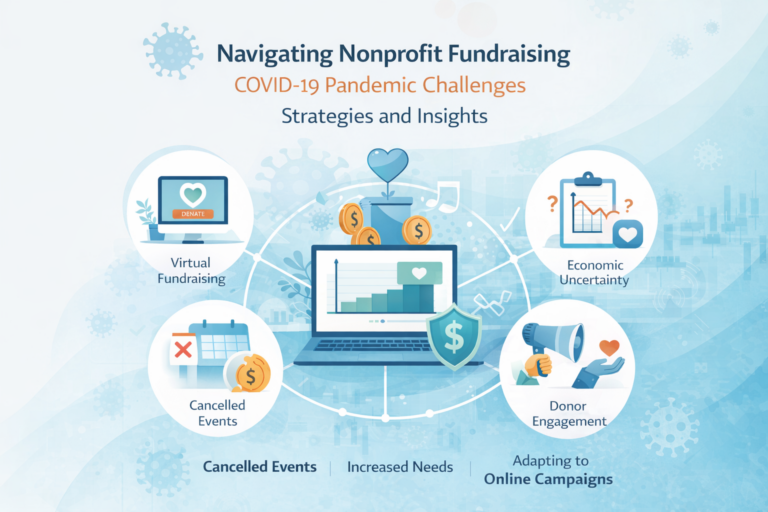
The COVID-19 pandemic has fundamentally altered the landscape for nonprofits, forcing them to rethink and pivot their fundraising strategies. With traditional events and face-to-face interactions off the table, nonprofits had to get creative in finding new ways to engage donors and secure funding. This playbook is designed to help busy professionals in the nonprofit world navigate these uncharted waters with practical, trend-aware, and actionable insights.
Nonprofit fundraising during the pandemic has required a shift to virtual platforms and an increased reliance on digital channels. Organizations are leveraging virtual events, social media campaigns, and online fundraising tools to connect with donors and maintain support. Data-driven decision-making, powered by advanced analytics platforms like DaanVeda, helps nonprofits understand what works best for engaging donors and boosting fundraising efforts.
Here are some innovative approaches and practical tips that nonprofits have successfully implemented during the pandemic:
- Virtual Events: With in-person gatherings restricted, virtual events have become a popular alternative. Nonprofits are hosting online galas, auctions, and webinars to keep donors engaged. These events can reach a broader audience and offer a convenient way for supporters to participate from anywhere.
- Social Media Campaigns: Social media has proven to be a powerful tool for fundraising. By creating compelling content and leveraging platforms like Facebook, Instagram, and Twitter, nonprofits can raise awareness and encourage donations. Hashtag challenges, live streams, and influencer partnerships are effective ways to boost engagement.
- Storytelling: Sharing impactful stories about the nonprofit’s mission and the people it serves can create an emotional connection with donors. Videos, blog posts, and social media stories highlighting the organization’s work and successes can inspire supporters to contribute.
- Peer-to-Peer Fundraising: Empowering supporters to raise funds on behalf of the nonprofit can extend the organization’s reach. Peer-to-peer fundraising campaigns, where individuals create their own fundraising pages and solicit donations from their networks, can amplify efforts and bring in new donors.
- Matching Gifts: Offering matching gift opportunities, where donations are matched by a corporate sponsor or major donor, can incentivize giving. This strategy can create a sense of urgency and increase the impact of each contribution.
- Subscription Donations: Encouraging recurring donations through subscription models provides a steady source of income. Monthly or quarterly giving programs can help nonprofits plan and budget more effectively while building long-term donor relationships.
- Gamification: Incorporating gamification elements into fundraising efforts can make giving more fun and engaging. Leaderboards, badges, and challenges can motivate supporters to participate and compete, fostering a sense of community and excitement.
In addition to these strategies, staying connected with donors and keeping them informed is crucial. Regular communication through email newsletters, personalized messages, and updates on the impact of their contributions can help maintain donor loyalty and trust.
Nonprofits have also been exploring emerging trends to enhance their fundraising efforts during the pandemic:
- Cryptocurrency Donations: With the rise of digital currencies, some nonprofits are accepting cryptocurrency donations. This can attract a new demographic of donors who prefer using digital assets for their contributions.
- Virtual Reality Experiences: Organizations are using virtual reality (VR) to create immersive experiences that showcase their work. VR can transport donors to the field, allowing them to see firsthand the impact of their support.
- Artificial Intelligence: AI tools can help nonprofits personalize donor engagement, predict giving behaviors, and optimize fundraising campaigns. DaanVeda’s advanced analytics platform, for instance, empowers nonprofits to make data-driven decisions by providing insights into donor preferences and behavior patterns.
- Crowdfunding: Online crowdfunding platforms have gained popularity as a way for nonprofits to raise funds for specific projects. Crowdfunding campaigns often benefit from the power of social sharing and community support.
- Environmental, Social, and Governance (ESG) Investments: As more investors look to make socially responsible investments, nonprofits can align their missions with ESG principles to attract funding from impact investors.
As nonprofits continue to navigate the challenges brought on by the pandemic, staying adaptable and innovative is key. By embracing new technologies and creative approaches, organizations can sustain donor engagement and ensure their longevity in uncertain times.
In conclusion, the pandemic has taught nonprofits the importance of flexibility and resilience in their fundraising strategies. Virtual events, social media campaigns, storytelling, peer-to-peer fundraising, matching gifts, subscription donations, and gamification are just a few of the ways nonprofits are successfully engaging donors. Additionally, emerging trends such as cryptocurrency donations, virtual reality experiences, artificial intelligence, crowdfunding, and ESG investments offer new opportunities for nonprofit fundraising.
To succeed in this new landscape, nonprofits must continue to explore and adopt innovative approaches while staying connected with their supporters. Leveraging data and analytics with tools like DaanVeda’s platform can provide valuable insights and help organizations make informed decisions to boost their fundraising efforts. By doing so, nonprofits can not only weather the storm but also emerge stronger and more resilient in the post-pandemic world.